When Watching Together Feels Like a Performance: The Uncomfortable Truth About Co-Streaming
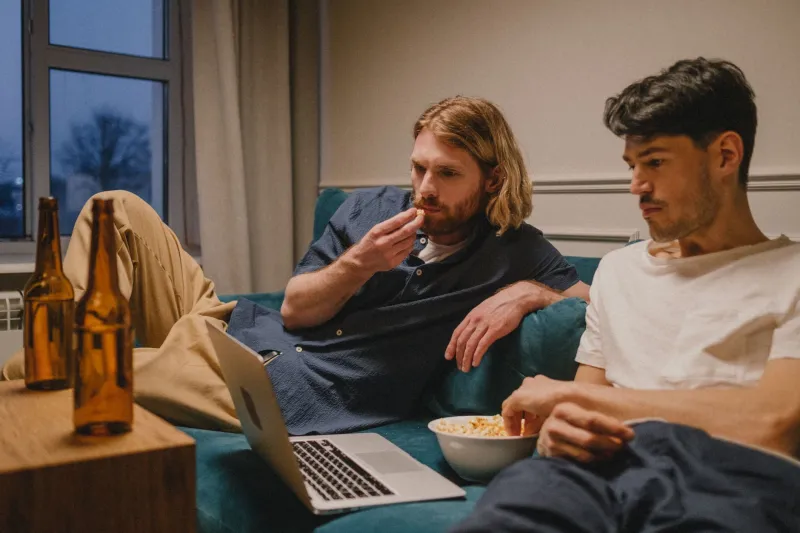
There's a moment most co-streamers know well. You're twenty minutes into a show, genuinely hooked, and then someone drops a hot take in the chat that derails everything. Suddenly you're not watching — you're performing watching. You're nodding, reacting, crafting responses that land well, and somewhere along the way the whole point of sitting down to enjoy something quietly slips out the window.
Group viewing culture has exploded over the last few years. Platforms have leaned hard into it. Watch parties, synchronized streams, co-hosting tools — the infrastructure is everywhere. But the experience? According to a lot of people who've tried it, the experience is increasingly... weird.
The Pressure to Be 'On' Never Fully Turns Off
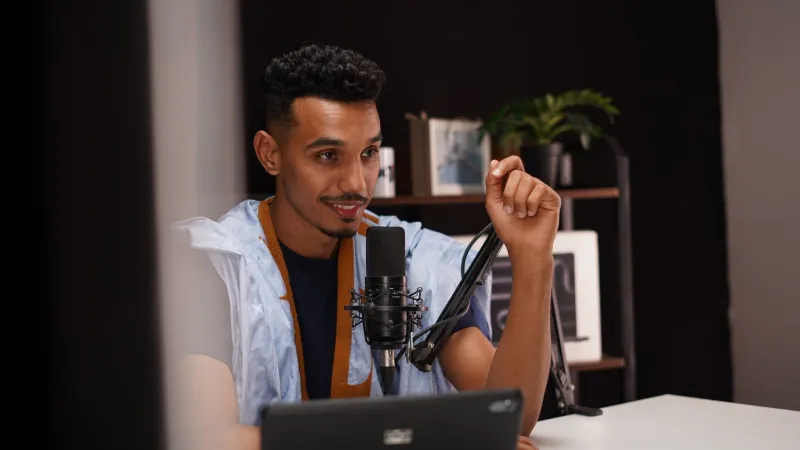
Ask any streamer who's done a co-broadcast and they'll tell you the same thing: the second you invite someone else into your stream, you're no longer just watching. You're hosting. And hosting has an entirely different energy.
Jamila, a content creator from Atlanta with around 8,000 followers on Twitch, put it bluntly: "I love my community, but when I started doing co-streams with other creators, I realized I was never actually relaxed. I was always scanning the chat, making sure nobody was talking over each other, managing the vibe. It stopped being fun real fast."
That tension — between genuine enjoyment and social obligation — is at the core of what's making co-streaming awkward for a surprising number of people. When you're solo, you can zone out, rewind, laugh at something dumb without explaining yourself. Co-streaming strips that away. Every reaction becomes a micro-broadcast.
Chat Dominance: The Elephant in Every Watch Party
One of the ugliest dynamics that emerges in group viewing is what some streamers are calling the "loudest voice" problem. In any shared stream, a handful of chatters tend to dominate the conversation — setting the tone, dictating what's funny, deciding what's worth reacting to. Everyone else either falls in line or gets steamrolled.
For creators, this creates a genuine dilemma. Do you call out the dominant voices and risk drama? Do you let it slide and watch your quieter audience members slowly disengage? There's no clean answer.
Marcus, a gaming content creator based in Portland who streams about four nights a week, described a co-stream he did last fall that basically imploded because of chat dynamics. "One of my co-host's regulars just took over the whole vibe. My people went quiet, his people were loud, and it felt like a turf war I didn't sign up for. We never did another one."
This isn't an edge case. It's a recurring pattern that platforms have done almost nothing to address structurally.
The Authenticity Trap
Here's the irony that nobody talks about enough: co-streaming was supposed to make digital watching feel more real. More like hanging out with friends, less like consuming content alone in a dark room. But for a lot of viewers, it's had the opposite effect.
When you know a stream is being recorded, when you know your reactions are visible to hundreds of strangers, something shifts. You start curating yourself. You laugh a little louder at the right moments. You hold back opinions that might not land well. The whole thing becomes a social performance dressed up as a casual hangout.
Sophie, a viewer from Chicago who participates in several online watch communities, described it as "exhausting in a way that solo watching never is. I've left streams feeling more drained than when I started, and that's the opposite of what I wanted."
This is the authenticity trap: the more you engineer a shared experience, the less genuine it tends to feel.
What Actually Works
None of this means co-streaming is dead or that group viewing is a bad idea. It means the current model needs some honest rethinking.
The creators who seem to navigate it best are the ones who set clear expectations upfront — who tell their audience explicitly that a co-stream is going to be looser, more chaotic, less polished than a solo broadcast. They treat it like a hang, not a show.
Smaller, more intentional group viewing also tends to work better than massive open watch parties. When you're watching with fifteen people who all know each other versus five hundred strangers, the dynamic changes completely. The intimacy of a smaller group allows for actual conversation rather than competitive performance.
At BongdaLu Network, we've seen firsthand how community size and shared context affect the quality of group experiences. When people genuinely know each other — even just a little — the pressure to perform drops. The watching becomes watching again.
The Bigger Question
Co-streaming isn't going anywhere. The appetite for shared digital experiences is real and it's growing. But the current version of it — loud, performative, etiquette-free — is burning people out faster than the platforms seem to realize.
The question worth asking isn't whether group viewing is good or bad. It's whether the tools and norms around it are actually designed to serve the people using them, or whether they're just designed to maximize engagement metrics at the expense of genuine connection.
Based on what a lot of creators and viewers are saying right now? It's mostly the latter. And that's worth fixing.