Getting Everyone in the Same Room Online Is Somehow Still a Nightmare in 2025
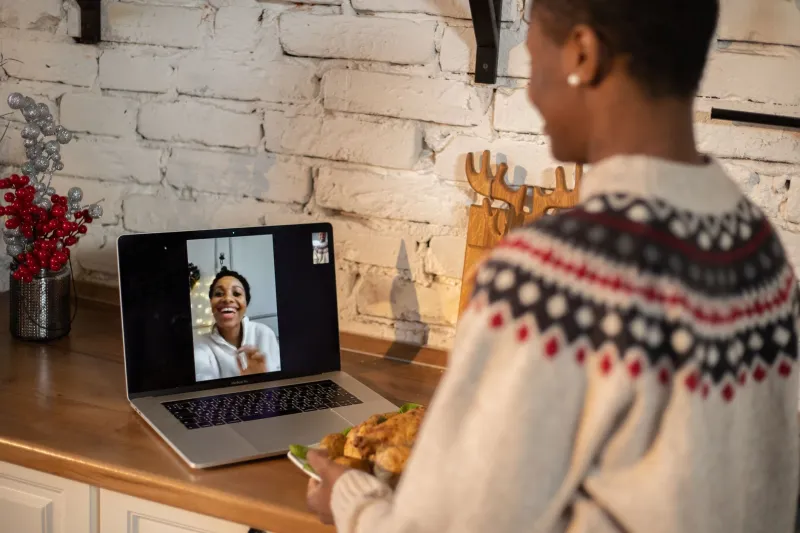
Let's paint a picture. Your group chat is buzzing. Everyone agrees it's finally time to watch that show everyone's been talking about. Someone drops a link, someone else says they don't have that streaming service, a third person is in a different timezone, and a fourth just remembered they have work in the morning. By the time you've sorted half of it out, the hype is dead and everyone's just going to watch it alone anyway.
Sound familiar? It should. Because despite living in an era where we can video call someone on the other side of the planet in seconds, organizing a group watch party online remains weirdly, frustratingly difficult. And the reasons behind that friction are worth actually unpacking.
The Platform Problem Nobody Wants to Admit
Here's the uncomfortable truth: streaming services were never really built with social viewing in mind. Netflix, Hulu, Max, Disney+, Peacock — they're all designed around the individual subscriber. The content recommendation algorithms, the interface, the autoplay settings — everything assumes you're watching solo. The few built-in party features that exist, like Netflix Party (now Teleparty), are third-party browser extensions, not native tools. That's not a coincidence.
Streaming platforms compete fiercely for your subscription dollars, which means they have zero incentive to make it easier for you to watch their content on another platform's social layer. If Max builds a great watch party feature, they want you doing it inside Max's ecosystem, not inside some neutral third-party app where you might realize you'd rather be watching something on a competitor's service.
The result? A fragmented mess where every service does something slightly different, nothing talks to anything else, and the user experience suffers for it.
The Timezone Tax
For a lot of us, our closest online friends aren't in the same city — or even the same country. Gaming communities, Discord servers, Reddit fandoms — these spaces pull people together across massive geographic distances. That's genuinely beautiful. It's also a logistical headache when you want to watch something together in real time.
A 9 PM watch party on the East Coast hits at 6 PM Pacific, which is manageable. But throw in someone on Central European Time and suddenly you're asking them to stay up until 3 AM for a two-hour movie. People do it sometimes, out of love for the group, but it's not sustainable. Eventually, someone starts skipping. Then the watch parties get less frequent. Then they stop.
Timezone friction is one of the most underrated killers of online social rituals. It's not dramatic — nobody has a fight about it — it just quietly erodes the habit until the habit doesn't exist anymore.
The Sync Problem Is More Annoying Than It Looks
Even when everyone has the same service and everyone's available at the same time, actually staying in sync during a watch party is its own ordeal. Someone's buffering. Someone accidentally hit pause and is now thirty seconds behind. Someone's on a slower internet connection and their stream quality dropped, so they're watching a blurry version of the same scene everyone else is seeing in HD.
These aren't catastrophic failures — they're small, constant interruptions that chip away at the shared experience. And the chat layer, which is supposed to be the fun part, becomes a mess of "wait, what just happened?" and "no spoilers, I'm behind" messages that make the whole thing feel more stressful than enjoyable.
The irony is that watching something together online can sometimes feel more isolating than just watching it alone and texting about it afterward.
The Workarounds People Have Built
Because platforms haven't solved this, communities have gotten creative. Discord screen sharing became a go-to for gaming communities who wanted to watch something together, even though the audio quality is inconsistent and it technically violates most streaming services' terms of service. People started using Teleparty religiously, even with its limitations. Watch2Gether carved out a niche for YouTube and other free content. Some groups just do the old-fashioned "3, 2, 1, press play" countdown over voice chat and hope for the best.
These workarounds work, sort of, some of the time. But they all require a level of technical coordination that acts as a filter — only the most motivated groups push through it. Casual viewers, people who might be newer to a community, or folks who aren't super tech-savvy tend to drop off. And losing those people means losing the diversity of perspective that makes a watch party conversation actually interesting.
What a Real Solution Actually Looks Like
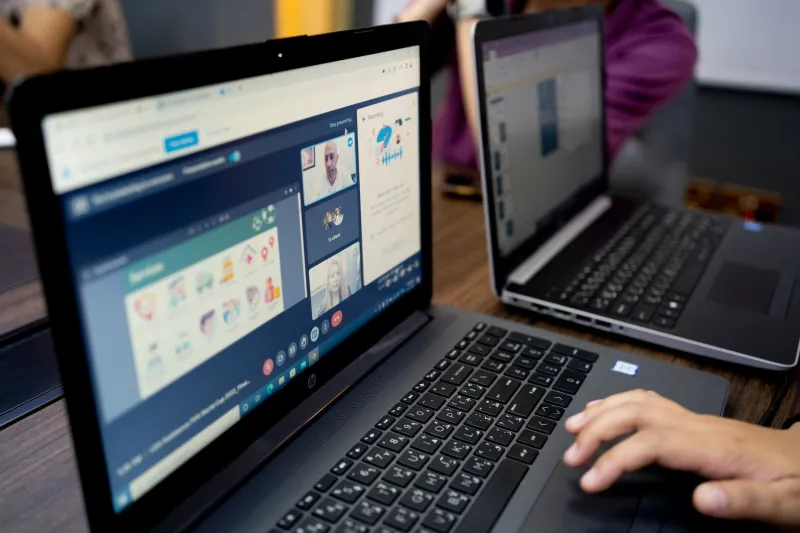
The communities that are genuinely cracking this problem share a few things in common. First, they centralize the coordination. Instead of bouncing between a group chat, a calendar app, and three different streaming tabs, the best experiences happen in spaces where the scheduling, the watching, and the conversation are all in one place.
Second, they build in flexibility. Rigid "everyone watches at exactly 8 PM" structures work for some groups but fail for others. Asynchronous options — like a shared reaction thread that people can contribute to as they watch on their own schedule — can keep the communal feeling alive without requiring perfect timing.
Third — and this one's big — they make it easy to join. The fewer steps between "I want to watch this with people" and actually doing it, the better. Every extra click, every account you have to create, every extension you have to install is another person who just doesn't bother.
That's exactly the kind of frictionless, community-first experience that platforms like BongdaLu Network are built around. The whole point is to make the social layer of entertainment feel as natural as texting a friend — not like configuring a home theater setup from scratch every single time.
The Bigger Picture
The watch party paradox is really just a symptom of a larger disconnect in how digital entertainment has evolved. The technology to connect people exists. The desire to share experiences exists. What's been missing is a layer that actually brings those two things together without asking users to do all the heavy lifting themselves.
When it works — when everyone's synced up, the chat is flying, someone drops the perfect reaction GIF at exactly the right moment — it's genuinely one of the best things about online community life. It's the digital equivalent of being crammed on a couch with your friends, laughing at the same thing at the same time.
We just need to make that the default experience, not the exception you have to fight for.
Until then, the countdown method it is. "3, 2, 1... wait, is everyone ready?"