Watching Alone Is So Last Decade: The Rise of Real-Time Group Viewing
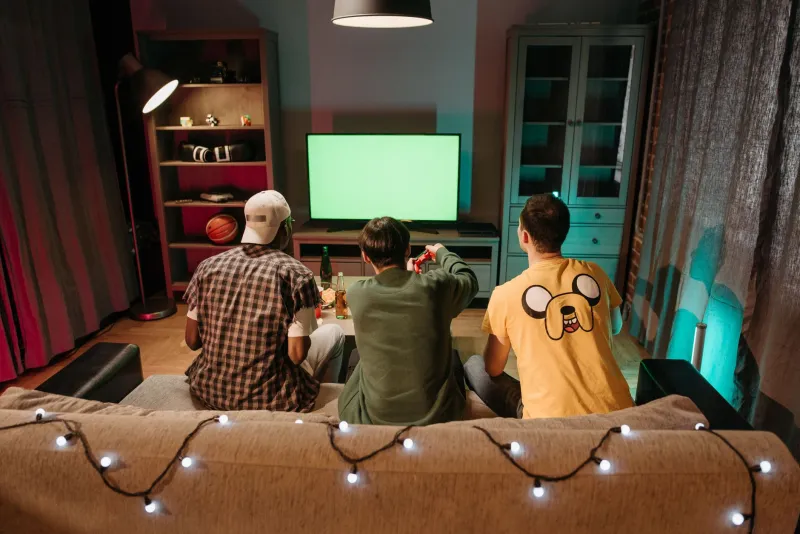
Remember the days when Friday night meant gathering at a friend's house, arguing over what to watch, and laughing at the same scenes in real time? Somewhere along the way, streaming culture quietly dismantled that ritual. We all got our own accounts, our own queues, and our own couch corners. Convenient? Sure. But also kind of lonely.
That loneliness didn't go unnoticed. Over the past few years, a counter-movement has been quietly building — one where communities are choosing to sync up, show up, and experience content together, even if they're thousands of miles apart. Welcome to the co-viewing revolution.
From Background Noise to Shared Moments
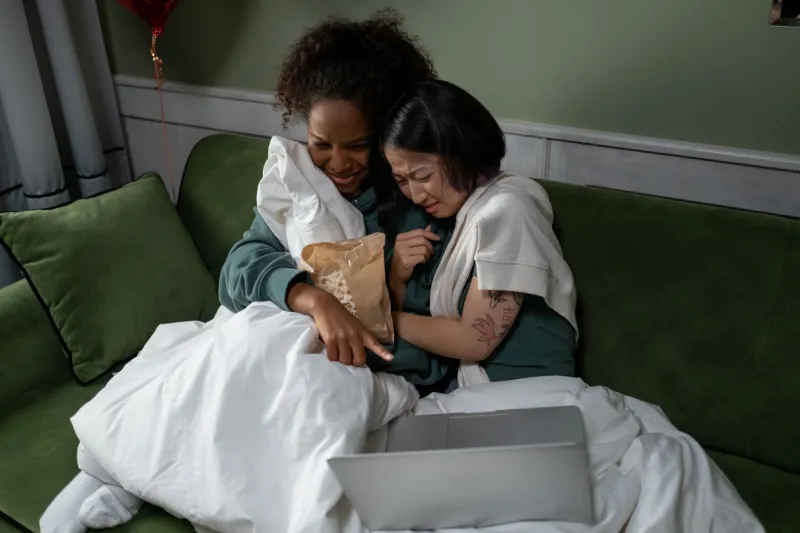
There's a reason sports bars still pack out on game nights. Watching something alongside other people changes the emotional texture of the experience. A jump scare hits harder when you hear someone else shriek. A plot twist lands differently when a chat window explodes with reactions at the exact same second. That collective gasp, that shared "wait, WHAT" — it's something algorithms can't manufacture and solo viewing can't replicate.
Research backs this up. Studies on shared emotional experiences consistently show that doing something alongside others — even virtually — amplifies the feeling. Psychologists call it "emotional synchrony," and it's the same force that makes concerts feel transcendent and Super Bowl watch parties feel like a civic event.
Streaming platforms, for all their personalization wizardry, stripped that synchrony out of the equation. Watch parties are putting it back.
The Platforms Making It Happen
A handful of tools have emerged to facilitate this shift, and they're getting genuinely good at it.
Teleparty (formerly Netflix Party) was one of the early movers, letting users sync Netflix playback while chatting in a shared sidebar. It's expanded to support Disney+, HBO Max, Hulu, and more — making it one of the most accessible entry points for casual watch parties.
Discord has become the backbone for a massive chunk of organized co-viewing, especially in gaming-adjacent communities. Stage Channels and Watch Together features let servers host viewing events with real-time voice and text interaction layered on top. If you're already part of a gaming community on Discord, there's a decent chance someone in your server is already running watch parties you don't know about.
Scener takes a more curated approach, positioning itself as a virtual movie theater experience. Users can host public or private screenings, and the platform has attracted creator-led events where streamers and influencers host watch sessions for their audiences — blending the parasocial with the genuinely communal.
Amazon Prime Video baked watch party functionality directly into its platform, lowering the friction for users who don't want to install extra extensions. It's a sign that the major players are taking notice.
And then there's the gaming streaming world, where Twitch has long normalized the idea of watching content together. Raid culture, co-streams during major esports events, and "react" content have all primed gaming communities to think of viewing as a group activity by default.
Why Gaming Communities Are Leading This Shift
It's not a coincidence that some of the most vibrant watch party cultures have grown out of gaming spaces. Gaming has always been about shared stakes — you cheer for the same team, groan at the same wipe, celebrate the same boss kill. That muscle memory for collective experience transfers naturally to co-viewing.
When a major esports tournament drops, dedicated communities don't just watch separately and text each other afterward. They build out event nights. Scheduled streams, pre-show discussion threads, live reactions, post-game breakdowns — the whole arc of an event becomes a community ritual. That same energy is now bleeding into non-gaming content. The same Discord server that organizes raid nights might also host a weekly anime watch party or a Friday horror movie stream.
At BongdaLu Network, we've seen this pattern play out in community after community. The connective tissue is always the same: shared timing, shared reactions, and a space to talk about it in real time.
How to Actually Start (or Find) a Watch Party Community
If this sounds appealing but you're not sure where to begin, here's a practical starting point.
Look inside communities you already belong to. Reddit threads, Discord servers, Facebook Groups — whatever fandom or interest space you're already in probably has watch party activity happening. Search for "watch party" or "watch along" in any server you're part of. You might be surprised what's already organized.
Use the tools that already exist on your streaming platforms. Before downloading anything extra, check whether your existing streaming service has built-in co-watching features. Amazon Prime and Plex both do. Teleparty works as a simple browser extension if you need something cross-platform.
Start small and themed. If you want to host your own, don't try to build a massive event on your first attempt. Pick a specific show or movie, invite five to ten people from an existing group chat or community, and keep the vibe casual. Themed nights work especially well — a monthly horror night, a weekly reality TV reaction session, a playoff watch party for your team.
Lean into the chat. The chat is literally half the experience. Encourage people to react in real time, share screenshots, post memes during commercial breaks. The more active the chat, the more it feels like a room full of people rather than a bunch of individuals watching in parallel.
Be consistent. The communities that build real momentum around watch parties are the ones that show up regularly. A recurring Thursday night stream becomes a ritual. People start clearing their schedules for it. That's when a watch party stops being an event and starts being a community.
The Bigger Picture
The co-viewing trend isn't just a quirky workaround for people who miss their college dorm TV rooms. It represents something more fundamental: a pushback against the isolating design of modern media consumption.
Streaming gave us infinite choice and total control. What it didn't give us was each other. Watch parties are a grassroots correction to that — communities deciding, on their own terms, that they'd rather feel something together than optimize their queue alone.
As platforms continue to build out social features and as creator communities grow more sophisticated about how they bring audiences together, synchronized viewing is only going to get more mainstream. The technology will get smoother. The tools will get better integrated. But the core impulse driving all of it? That's just people wanting to share a moment.
And honestly, that impulse has always been there. We're just finally building the infrastructure to honor it.